Abstract
The extract of citrus (Citrus aurantium L.) plays a significant role in medical and pharmaceutical applications due to its rich content of hesperidin, methyl hesperidin, and other compounds. However, wastewater generated from citrus extraction contains substances such as pectin, which readily encapsulate biochemical strains and inhibit their activity. This severely impairs the function of biochemical degradation processes, posing significant challenges in wastewater treatment. This project employs a “dissolved air flotation + iron-carbon fluidized bed” pretreatment process to remove pectin and enhance wastewater biodegradability, followed by a combined “upflow anaerobic sludge blanket (UASB) + anoxic-oxic (A/O)” biochemical unit to eliminate organic pollutants. Operational results indicated that the influent water quality for the project ranged from pH 4.5 to 6.5, with chemical oxygen demand (CODcr) ≤ 9800 mg/L, ammonia nitrogen ≤ 40 mg/L, suspended solids (SS) ≤ 2000 mg/L. The pretreatment process achieved a pectin removal rate exceeding 87%, significantly enhanced biodegradability, and stabilized the biochemical oxygen demand (BOD)/CODcr ratio at approximately 0.4. The final effluent quality achieved a pH range of 6 to 9, CODcr ≤ 500 mg/L, ammonia nitrogen ≤ 25 mg/L, SS ≤ 400 mg/L, consistently meeting the discharge standards specified in the “Integrated Wastewater Discharge Standard” (GB 8978-1996) for pipe discharge. This combined process offers stable and reliable effluent quality with simple and efficient management. It holds significant reference value and promising application prospects for wastewater treatment in industries such as plant extraction and fruit processing.
Keywords
Biodegradation, Dissolved Air Flotation, Iron-carbon Reaction, Plant Extract
1. Introduction
Citrus aurantium L. also known as bitter orange, is a plant belonging to the Rutaceae family. Its dried young fruit primarily contains three major chemical components: alkaloids, flavonoids, and volatile oils
| [1] | Qu Z Y, Feng X M, Zou X, et al. Research progress in aurantii fructus immaturus [J]. Food and Drug, 2017, 19(06): 455-459. |
[1]
. The extract from its fruit exhibits significant medicinal value in antibacterial, antioxidant, anti-shock, and hypoglycemic effects, making it widely applied in the medical field
| [2] | Suntar I, Khan H, Patel S, et al. An overview on citrus aurantium L.: Its functions as food ingredient and therapeutic agent [J]. Oxidative Medicine and Cellular Longevity, 2018, 2018(1): 7864269. https://doi.org/10.1155/2018/7864269 |
[2]
. However, the production process of citrus extract generates large volumes of high-concentration organic wastewater, primarily containing pectin, suspended solids, and settleable solid waste. This results in extremely high chemical oxygen demand (CODcr). Direct discharge would cause a series of negative impacts, including water pollution, soil structure degradation, and ecological damage
| [3] | Zhang H, Chen J L, Li J H, et al. Pectin from citrus canning wastewater as potential fat replacer in ice cream [J]. Molecules, 2018, 23(4): 925-925.
https://doi.org/10.3390/molecules23040925 |
| [4] | Zema A D, Calabro S P, Folino A, et al. Wastewater management in citrus processing industries: an overview of advantages and limits [J]. Water, 2019, 11(12): 2481.
https://doi.org/10.3390/w11122481 |
| [5] | Chitunhu B, Kwiri R, Muredzi P. Redesigning waste water treatment process in view of utilising the water: A case study at a citrus juice processing company in Zimbabwe [J]. International Journal of Nutrition and Food Sciences, 2014, 3(6): 15-21. https://doi.org/10.11648/J.IJNFS.S.2014030601.13 |
[3-5]
. Therefore, the treatment of wastewater generated from citrus extract production holds significant practical importance.
Currently, wastewater from citrus extract production is predominantly treated using biological methods. However, pectin forms a viscous substance in water that readily coats microbial surfaces, impairing microbial proliferation and biochemical activity. This significantly reduces the degradation efficiency of organic pollutants
. Therefore, improving the efficiency of conventional biochemical treatment represents a major challenge in achieving stable compliance with wastewater standards during citrus extract production.
Due to the complex composition of wastewater from citrus extract production, a single treatment process is insufficient to achieve optimal results. Guzmán et al.
| [7] | Guzmán J, Mosteo R, Sarasa J, et al. Evaluation of solar photo-fenton and ozone based processes as citrus wastewater pre-treatments [J]. Separation and Purification Technology, 2016, 164: 155-162.
https://doi.org/10.1016/j.seppur.2016.03.025 |
[7]
employed the photo-Fenton process and a sequencing batch reactor (SBR) process to treat wastewater from citrus peel processing. This approach partially reduced organic matter concentrations in high-organic-load citrus wastewater, achieving high removal efficiency. Corsino et al.
| [8] | Corsino S F, Di Trapani D, Torregrossa M, et al. Aerobic granular sludge treating high strength citrus wastewater: analysis of ph and organic loading rate effect on kinetics, performance and stability [J]. Journal of Environmental Management, 2018, 214: 23-35.
https://doi.org/10.1016/j.jenvman.2018.02.087 |
[8]
investigated the feasibility of treating citrus wastewater using an aerobic granular sludge sequential batch reactor (AGSBR). Experimental results demonstrated that under low organic loading rates, the system achieved a total CODcr removal rate as high as 90%. The above combined processes demonstrated superior performance in research studies. However, they remain confined to the laboratory stage due to high operational costs, significant energy consumption, and challenges in ensuring system stability. Engineering applications of combined processes for treating wastewater from citrus extraction remain limited. Therefore, developing combined processes that are highly efficient, stable, and cost-effective has become an urgent issue to address.
As a major citrus-growing region, Quzhou city in Zhejiang Province of China has made citrus cultivation a vital economic pillar, providing farmers with substantial income. This project uses a local citrus processing enterprise as a wastewater treatment case study. Addressing the characteristics of wastewater generated during citrus extract production, it pioneers the use of a “dissolved air flotation + iron-carbon fluidized bed” pretreatment process to remove pectin and enhance wastewater biodegradability. This is followed by a combined “upflow anaerobic sludge blanket (UASB) + anoxic-oxic (A/O)” biological treatment unit to remove organic pollutants. The project involves the rational design of process parameters and analysis of actual operational economic and technical indicators, providing valuable insights for treating wastewater from similar plant extract production processes.
2. Design Capacity and Water Quality Parameters
This project was designed for a capacity of 200 m³/d, with a margin to mitigate environmental pollution risks from overload conditions. The design effluent quality parameters were determined based on the discharge requirements for pipeline-connected effluent specified in the “Integrated Wastewater Discharge Standard” GB 8978-1996. The inlet and outlet water quality is shown in
Table 1 below.
Table 1. Design the quality indicators for water inlet and outlet.
Project | pH | CODCr (mg/L) | BOD5 (mg/L) | NH3-N (mg/L) | SS (mg/L) |
Influent water quality | 4.5-6.5 | ≤9800 | ≤2800 | ≤40 | ≤2000 |
Discharge water quality | 6-9 | ≤500 | ≤300 | ≤25 | ≤400 |
3. Process Design Approach
The significant amount of pectin present in citrus extraction wastewater poses a major challenge in its treatment. Pectin is a high-molecular-weight polymer with strong adhesive properties. Due to its low density, pectin readily clumps together in water, forming viscous floating matter that indirectly impacts subsequent wastewater treatment. Therefore, it is removed using the dissolved air flotation method
| [9] | Li X, Yang C P, Guo J Y, et al. Treatment of pectin wastewater using phanerochaete chrysosporium [J]. Chinese Journal of Environmental Engineering, 2014, 8(06): 2271-2276. |
| [10] | Yüksel E, Kort R, Voragen A G J. Structure and degradation dynamics of dietary pectin [J]. Critical Reviews in Food Science and Nutrition, 2025, 65(29): 6249-6268.
https://doi.org/10.1080/10408398.2024.2437573 |
[9-10]
. Residual pectin will be treated using chemical oxidation methods to disrupt their molecular structures, thereby ensuring the wastewater meets the inlet quality requirements for subsequent biological treatment.
Iron-carbon microelectrolysis technology is a method that utilizes iron filings and carbon to form a galvanic cell for the oxidation-reduction of organic pollutants. When iron filings and carbon are immersed in wastewater (electrolyte solution) and come into contact, a significant potential difference between iron and carbon causes numerous galvanic microcells to form throughout the space. In this system, iron serves as the anode undergoing oxidation reactions, losing two electrons to corrode into Fe²⁺. Carbon functions as the cathode, accepting electrons under aerobic conditions and reacting dissolved oxygen with H
2O to generate hydroxyl radicals (·OH) with exceptionally strong oxidizing power. These radical species attack organic pollutants in wastewater under acidic conditions, disrupting macromolecular structures to achieve reductive degradation effects, thereby further enhancing the wastewater's BOD
5/CODcr ratio. Additionally, the pH of the solution will gradually increase in the later stages. Under weakly alkaline conditions, the Fe²⁺ generated at the anode undergoes gradual hydrolysis to form Fe(OH)
2 precipitation, which acts as a flocculant,effectively adsorbing and coagulating pollutants, then facilitates subsequent wastewater treatment
| [11] | Chen Y, Gao Y J, Liu T T, et al. Activated persulfate by iron-carbon micro electrolysis used for refractory organics degradation in wastewater: a review [J]. Water Science & Technology, 2022, 86(4): 690-713. https://doi.org/10.2166/wst.2022.254 |
| [12] | Malakootian M, Kannan K, Gharaghani M A, et al. Removal of metronidazole from wastewater by fe/charcoal micro electrolysis fluidized bed reactor [J]. Journal of Environmental Chemical Engineering, 2019, 7(6): 103457.
http://dx.doi.org/10.1016/j.jece.2019.103457 |
| [13] | Li H, Di J, Dong Y, et al. Enhanced reduction of sulfate by iron-carbon microelectrolysis: interaction mechanism between microelectrolysis and microorganisms [J]. Environmental Science and Pollution Research, 2024, 31(21): 31577-31589. https://doi.org/10.1007/s11356-024-32993-9 |
[11-13]
.
Figure 1. Schematic Diagram of Iron-Carbon Microelectrolysis.
Based on the above principles, this project employs zero-valent iron-modified carbon powder particles as filler material to form a fluidized bed under air agitation. Pectin coating the surface of iron-carbon particles loses its viscosity due to oxidative decomposition, and the residue is shed under hydraulic friction. At the same time, the iron anode loses electrons to produce Fe²⁺ in the new ecosystem. Under weakly alkaline conditions, this ion can form Fe(OH)2 precipitates, which act as flocculants for detached pectin residues. Therefore, this project employs a combined air flotation and iron-carbon fluidized bed technology for physicochemical pretreatment of wastewater. This approach mitigates the negative impact of pectin on the biochemical degradation unit and enhances the biodegradability of pollutants.
Due to the high CODcr concentration in the wastewater, an anaerobic-aerobic combined biological treatment process is employed for subsequent compliance treatment. The anaerobic stage employs an UASB reactor, utilizing anaerobic microorganisms to break down large-molecule organic pollutants into smaller molecules. High concentrations of CODcr are subsequently converted into methane and other gases during the methanogenesis phase, escaping from the wastewater. Consequently, the wastewater's CODcr levels decrease rapidly
| [14] | Cheng Q, Chen Y, Zhao W, et al. Anammox enhanced anoxic/oxic/oxic/anoxic process for removing carbon, nitrogen, and phosphorus from extremely low carbon/nitrogen ratio wastewater: Feasibility, performance and mechanism [J]. Bioresource Technology, 2025:
https://doi.org/10.1016/j.biortech.2025.133539 |
[14]
. After leaving the UASB reactor, effluent enters the A/O system. In the aerobic tank, nitrification converts ammonia nitrogen into nitrate nitrogen (NO₃⁻-N). Meanwhile, in the anoxic tank, denitrifying bacteria utilize residual organic matter as a carbon source to carry out denitrification, converting NO₃⁻-N into N
2. This process simultaneously removes ammonia nitrogen and organic matter
| [15] | Qi Y P, Zhang G Q, Lu H M. Treatment of livestock wastewater by coagulation sedimentation + ammonia nitrogen stripping + hydrolysis acidification + A/O process [J]. Contemporary Chemical Industry, 2019, 48(03): 594-596+601.
https://doi.org/10.13840/j.cnki.cn21-1457/tq.2019.03.041 |
| [16] | Zhang X Z, Deng Z X, Zhang T, et al. Study on the treatment of N, N -dimethylformamide-containing wastewaterby up-flow anaerobic sludge blanket reactor [J]. Energy Environmental Protection, 2024, 38(01): 159-166.
https://doi.org/10.20078/j.eep.20240120 |
[15, 16]
, ultimately ensuring that effluent meets discharge standards.
4. Process Flow
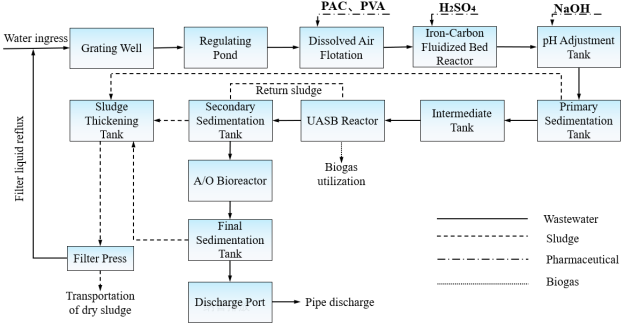
Figure 2. Wastewater treatment process flow.
The specific design process flow is shown in
Figure 2. The production wastewater contains suspended solids such as orange peels, segment membranes, rag, and pulp. Therefore, it first passes through a fine screen to intercept and remove some of the larger materials. Wastewater quality and quantity fluctuate significantly with seasonal variations. After passing through the fine screens, the effluent enters the regulating pond to ensure consistent quality and flow rate, thereby facilitating the operation of subsequent wastewater treatment facilities. The wastewater from the regulating pond is lifted by a pump into the dissolved air flotation tank, where a composite flocculants (PAC, PVA) is added to coagulate suspended solids such as pectin into larger flocs. After coagulation, they are removed in the air flotation chamber through the buoyancy effect of minute air bubbles. The aerated effluent automatically flows into the iron-carbon fluidized bed, where the wastewater pH is adjusted to approximately 3-4. Under aeration and agitation, the packing material is maintained in a fluidized state, electrochemical reactions induce oxidation-reduction processes in organic pollutants, breaking down residual pectin molecules. This prevents their adverse effects on microbial activity in subsequent biochemical units, thereby enhancing the biodegradability of wastewater. After undergoing iron-carbon microelectrolysis treatment, the wastewater flows into the pH adjustment tank, where the pH is adjusted to approximately 8. The newly generated Fe²⁺ from the iron-based media induces flocculation, enabling solid-liquid separation in the primary sedimentation tank to remove detached denatured pectin residues and other suspended solids.
The discharge from the primary sedimentation tank goes into the intermediate pool, and a pump elevates the wastewater into the UASB reactor. The UASB reactor efficiently converts most pollutants into methane through the high-concentration, highly active sludge layer of the anaerobic sludge blanket reactor, thus significantly reducing CODcr and further enhancing the biodegradability of wastewater. Wastewater of UASB reactor passes into the secondary settling tank for secondary sedimentation to remove settleable suspended solids from the wastewater. A portion of the sludge is then returned to the UASB reactor to maintain sufficient sludge concentration in the reactor.
After discharge from the secondary sedimentation tank, the effluent enters the A/O biological treatment unit. In the anoxic zone, hydrolysis acidification improve the physicochemical properties of the effluent from the physical-chemical treatment, enabling the wastewater to better adapt to aerobic biological treatment. Aerobic biochemical treatment employs the biological contact oxidation method, wherein microorganisms attached to the surface of the packing material to absorb and decompose pollutants such as organic matter and ammonia nitrogen in wastewater through biochemical processes. Wastewater from biochemical treatment reaches the final settling tank for solid-liquid separation, effectively removing suspended solids while facilitating sludge return and excess discharge of excess sludge. The supernatant is piped for discharge.
Sludge from settling tanks enters sludge thickening tanks, where it is compressed into sludge cakes by a filter press. The filtrate is returned to the regulating pond, while the dried sludge is transported off-site for disposal.
5. Primary Structure and Engineering Parameters
(1) Grating Well
A device for intercepting large suspended solids and floating debris in wastewater; 0.6m×1.8 m×1.2 m, inlet channel width 0.30 m, gradual widening length 0.6 m, opening angle 20°, tapered length 0.6 m. Bar width 0.05 m, bar spacing 6 mm; flow velocity through the grid is 0.6 m/s, install at a 50°; equipped with underground steel concrete structure.
(2) Regulating Pond
A pond for regulating wastewater; 3.5 m×7.0 m×4.5 m, available volume of 102 m3; hydraulic retention time (HRT) of 10 h; furnished with an under ground reinforced conventional concrete substructure.
Auxiliary Equipment: 2 pumps with a flow rate of 12 m³/h, H= 8 m, N=1.5 kW; one operation and one standby; One ultrasonic level gauge.
(3) Dissolved Air Flotation
One flotation facility for solid-liquid separation that efficiently removes colloidal substances from water through microbubble adhesion; 5.0 m×1.5 m×2.1 m, 1.9 m3/m2∙h in hydraulic surface load, pressure of dissolved air water ≥ 0.4 MPa, N=7.8 kW; steel structure
Auxiliary equipment: 2 sets automatic dosing systems for PAC and PVA, interlocked with the submersible sewage pump.
(4) Iron-Carbon Fluidized Bed Reactor
One iron-carbon fluidized bed reactor for microelectrolysis reactions, which efficiently degrades recalcitrant organic pollutants through electrochemical redox processes and enhances wastewater biodegradability. 2.3 m×2.0 m×5.0 m, available volume of 22 m³, and HRT=2.2 h; iron-carbon packing loading rate is 35%, underground reinforced concrete construction.
Auxiliary equipment: 16 aerators with a diameter of 230 mm, 0.5 m² per unit service area, aeration rate of 2 m³/h; 1 set of pH online meter; 1 set of automatic sulfuric acid dosing device.
(5) pH Adjustment Tank
One system for water quality neutralization, adjusting the pH of wastewater to the optimal range required for subsequent biological treatment. 2.3 m×2.0 m×3.0 m, available volume of 12 m3, and HRT=1.2 h; underground reinforced concrete construction.
Auxiliary equipment: 1 set of mechanical agitators with 2.2 kW electromotor; 1 set of online pH meter; 1 set of automatic caustic dosing device.
(6) Primary Sedimentation Tank
A principal sedimentation tank primarily used for solid-liquid partitioning; 2.5 m×6.0 m×5.0 m, 13 m2 effective flow area, 0.8 m3/m2∙h surface load; underground reinforced concrete construction.
Auxiliary equipment: honeycomb inclined tube with a 60mm aperture and total installed volume of 27 m3.
(7) Intermediate Tank
One intermediate tank is used to provide stable hydraulic conditions for adjacent treatment units; 2.5 m×2.0 m×5.0 m, available volume of 24 m3, and HRT=2.4 h; underground reinforced concrete construction.
Auxiliary equipment: Two pumps with a flow rate of 12 m³/h, H = 15 m, and N = 1.5 kW; one for operation, one as a standby; one ultrasonic level gauge.
(8) UASB Reactor
Two UASB reactors for highly efficient anaerobic digestion converts organic pollutants in wastewater into biogas while achieving substantial removal; D×H=5.0×5.4 m2, 200m3 available volume and 2.97 kg CODcr/m3∙d volumetric load; steel structure.
(9) Secondary Sedimentation Tank
A secondary sedimentation tank for the separation of solids and liquids, used to remove suspended particles such as dead and aged bacteria; 2.5 m×6.0 m×5.0 m, 13 m2 effective flow area, and 0.8 m3/m2∙h in surface load; underground reinforced concrete construction.
(10) A/O Bioreactor
One A/O bioreactor is employed to simultaneously achieve biological denitrification and organic matter removal, utilizing a combination of anoxic and aerobic environments to deliver highly efficient wastewater purification; 15.0 m×4.5 m×5.0 m, available volume of 317 m3 and of which section A has an effective volume of 105 m³and 10.5 h hydraulic retention time; 212 m³ effective volume of section O and HRT=21.2 h; 1.05 kg CODcr/m3∙d volumetric load; underground reinforced concrete construction.
Auxiliary equipment: 101 aerators with a diameter of 230 mm, 0.5 m² per unit service area, aeration rate of 2 m³/h; combination hanging membrane packing 317 m³; 2 blowers, 1 in use and 1 on standby, each with an airflow rate of 3.46 m³/min, air pressure of 49 kPa, N=5.5 kw.
(11) Final Settling Tank
One final settling tank is used for separating solids from water, ensuring effluent suspended solids meet standards and allowing activated sludge to be returned for concentration; 2.5 m×6.0 m×5.0 m, 13 m2 effective flow area, and 0.8 m3/m2∙h in surface load; underground reinforced concrete construction.
(12) Sludge Thickening Tank
One sludge thickening tank for gravity thickening, which reduces sludge moisture content and significantly decreases sludge volume; 3.5×3.0×4.5 m3, available volume of 44 m3; underground reinforced concrete construction.
Auxiliary equipment: 1 sludge pump, flow rate 13 m³/h, 50 m head, N=7.5 kW; 1 plate-and-frame filter press, with a filtration area of 20 m², N=1.5 kW。
6. Operation Effect and Economic Analysis
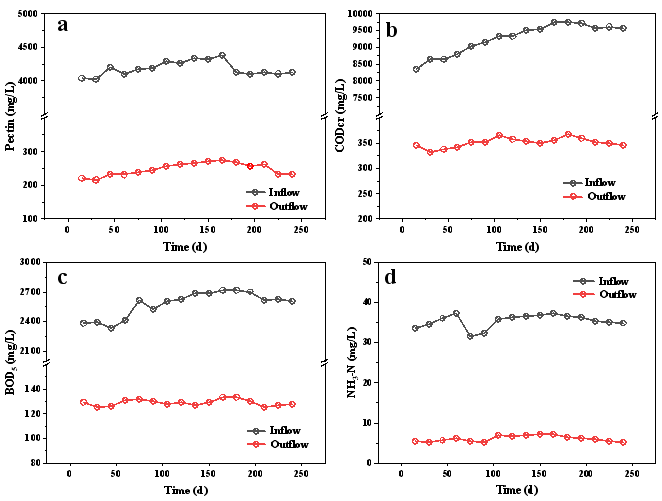
This project has been in trial operation for over 8 months. Over the past six months, the system's water quality has gradually stabilized. The combined air flotation and iron-carbon fluidized bed reactor pretreatment effectively removed pectin with improved removal rates for COD
Cr, BOD
5, and NH
3-N in the final effluent at the discharge point (
Figure 3). The current actual water inflow volume for the project was 175–195 m³/d, with all effluent parameters consistently meeting the discharge standards specified in GB 8978-1996. The effluent water quality of major pollutants for each treatment unit is shown in
Table 2. As shown in the table, after treatment by air flotation and iron-carbon fluidized bed reactor processes, the pectin content in the wastewater was significantly reduced to 216 mg·L⁻¹, representing a decrease of 93.8%. The BOD/COD ratio, which was 0.3 in the influent, remained at approximately 0.4 after pretreatment. This clearly demonstrates that the combined pretreatment process can effectively eliminate the impact of pectin in wastewater and enhance the biodegradability of pollutants. The subsequent UASB + A/O biochemical process achieved a COD
Cr removal rate of approximately 91%, with all key process units meeting their expected treatment efficiency. The final effluent from this project consistently meets discharge standards, demonstrating the feasibility of using dissolved air flotation and iron-carbon fluidized bed technology for pretreatment, combined with the UASB-A/O biological process, to treat wastewater from citrus extraction production, providing a practical reference for similar industries.
Table 2. Monitoring data of effluent quality.
Processing Unit | Project | pH | CODCr (mg·L-1) | BOD5 (mg·L-1) | NH3-N (mg·L-1) | SS (mg·L-1) | Pectin (mg·L-1) |
Regulating Pond | Water quality | 4.5~6.5 | 8350-9732 | 2328-2720 | 32-37 | 1670-1856 | 4027-4382 |
Dissolved Air Flotation | Water quality | 4.5~6.5 | 6012-7396 | 1748-2070 | 29-34 | 582-595 | 1660-2015 |
Removal rate | / | 24%-28% | 25%-31% | 8%-9% | 65%-68% | 54%-59% |
Iron-Carbon Fluidized Bed Reactor - Primary Sedimentation Tank | Water quality | 6.0~9.0 | 3727-4385 | 1520-1607 | 13-18 | 336-384 | 216-273 |
Removal rate | / | 38%-41% | 13%-22% | 47%-55% | 36%-42% | 86%-87% |
UASB- Secondary Sedimentation Tank | Water quality | 6.0~9.0 | 1359-1416 | 448-514 | / | 310-405 | / |
Removal rate | / | 64%-68% | 68%-71% | / | / | / |
A/O Bioreactor - Final Sedimentation Tank | Water quality | 6.0-9.0 | 331-368 | 125-133 | 5-7 | 163-216 | / |
Removal rate | / | 75%-76% | 72%-74% | 85%-91% | 47%-47% | / |
Emission Standards | Water quality | 6.0-9.0 | ≤500 | ≤300 | ≤25 | ≤400 | / |
Figure 3. Monitoring concentrations of pectin (a), CODcr (b), BOD5 (c), and NH3-N (d) in influent and effluent at different operating durations (Pectin concentration represents effluent from air flotation-iron-carbon fluidized bed pretreatment; other indicators represent terminal effluent concentrations). Monitoring concentrations of pectin (a), CODcr (b), BOD5 (c), and NH3-N (d) in influent and effluent at different operating durations (Pectin concentration represents effluent from air flotation-iron-carbon fluidized bed pretreatment; other indicators represent terminal effluent concentrations).
7. Economic Analysis
The overall investment for this project is approximately 1.81 million yuan., comprising 1,035,600 yuan for construction costs, 677,000 yuan for equipment and materials, and 97,600 yuan for transportation, installation, design, commissioning, and related expenses. The daily operating cost of the wastewater treatment facility is 558.20 yuan, comprising electricity charges of 234.40 yuan (electricity consumption as shown in
Table 3), chemical costs of 123.80 yuan, and labor expenses of 200.00 yuan. With a daily compliant discharge volume of 200 m³, the water treatment cost amounts to 2.79 yuan per cubic meter.
Table 3. Power consumption of main equipments.
Equipment Name | Single-Unit Power (kW) | Operating Hours (h) | Number of Units in Operation | Power Consumption (kW·h) |
Boosting Pump | 1.5 | 10 | 4 | 60.0 |
Sludge Pump | 7.5 | 1 | 1 | 7.5 |
Roots Blower | 5.5 | 12 | 2 | 132.0 |
Plate-and-Frame Filter Press | 1.5 | 1 | 1 | 1.5 |
Agitator | 2.2 | 20 | 1 | 44.0 |
Chemical Dosing System | 0.6 | 20 | 4 | 48.0 |
Total | / | / | / | 293.0 |
8. Conclusion
This project addresses the high viscosity and difficult-to-degrade characteristics of pectin in wastewater generated from citrus extraction. It employs a “dissolved air flotation + iron-carbon fluidized bed” system for pretreatment, followed by a “UASB + A/O” biochemical treatment process. This integrated approach ensures the effluent consistently meets the discharge standards specified in the “Integrated Wastewater Discharge Standard”(GB 8978-1996) for pipeline discharge.
The combining of dissolved air flotation and iron-carbon fluidized beds effectively mitigates the negative impact of pectin on the viability of live microorganisms. The iron-carbon packing utilizes micro-electrolytic oxidation to decompose pectin molecules, and under hydraulic fluidization, dislodge residual denatured pectin. Utilizing the flocculation effect of newly generated Fe²⁺ from iron-based fillers effectively removes pectin and other suspended solids, ensuring the subsequent UASB+A/O combined biochemical process maintains its high-efficiency pollutant degradation capability. This integrated process comprehensively addresses the characteristics of wastewater generated during citrus extract production and the technical details of its treatment flow. It demonstrates excellent adaptability and consistent compliance with standards, while featuring relatively low investment and operational costs. It holds significant potential for promotion within relevant industries.
Abbreviations
UASB | Upflow Anaerobic Sludge Blanket |
A/O | Anoxic-oxic |
COD | Chemical Oxygen Demand |
SS | Suspended Solids |
BOD | Biochemical Oxygen Demand |
SBR | Sequencing Batch Reactor |
AGSBR | Aerobic Granular Sludge Sequential Batch Reactor |
HRT | Hydraulic Retention Time |
Acknowledgments
This research was supported by Major Scientific and Technological Project of Jinhua, China (2023-3-065).
Author Contributions
Xiaoling Fan: Conceptualization, Data curation, Investigation, Writing – original draft
Zhiyong Zheng: Formal Analysis, Methodology, Project administration, Resources, Validation
Yuxin Chen: Data curation, Software, Visualization
Chaoyang Xing: Data curation, Project administration, Writing – review & editing
Yaonan Yue: Software, Visualization, Writing – original draft
Xiaomeng Han: Methodology, Writing – original draft
Hansong Chen: Conceptualization, Supervision, Validation, Writing – review & editing
Shaocheng Zheng: Funding acquisition, Methodology, Writing – review & editing
Conflicts of Interest
The authors declare no conflicts of interest.
References
| [1] |
Qu Z Y, Feng X M, Zou X, et al. Research progress in aurantii fructus immaturus [J]. Food and Drug, 2017, 19(06): 455-459.
|
| [2] |
Suntar I, Khan H, Patel S, et al. An overview on citrus aurantium L.: Its functions as food ingredient and therapeutic agent [J]. Oxidative Medicine and Cellular Longevity, 2018, 2018(1): 7864269.
https://doi.org/10.1155/2018/7864269
|
| [3] |
Zhang H, Chen J L, Li J H, et al. Pectin from citrus canning wastewater as potential fat replacer in ice cream [J]. Molecules, 2018, 23(4): 925-925.
https://doi.org/10.3390/molecules23040925
|
| [4] |
Zema A D, Calabro S P, Folino A, et al. Wastewater management in citrus processing industries: an overview of advantages and limits [J]. Water, 2019, 11(12): 2481.
https://doi.org/10.3390/w11122481
|
| [5] |
Chitunhu B, Kwiri R, Muredzi P. Redesigning waste water treatment process in view of utilising the water: A case study at a citrus juice processing company in Zimbabwe [J]. International Journal of Nutrition and Food Sciences, 2014, 3(6): 15-21.
https://doi.org/10.11648/J.IJNFS.S.2014030601.13
|
| [6] |
Xiang T, Yang R, Li L, et al. Research progress and application of pectin: A review [J]. Journal of Food Science, 2024, 89(11): 6985-7007.
https://doi.org/10.1111/1750-3841.17438
|
| [7] |
Guzmán J, Mosteo R, Sarasa J, et al. Evaluation of solar photo-fenton and ozone based processes as citrus wastewater pre-treatments [J]. Separation and Purification Technology, 2016, 164: 155-162.
https://doi.org/10.1016/j.seppur.2016.03.025
|
| [8] |
Corsino S F, Di Trapani D, Torregrossa M, et al. Aerobic granular sludge treating high strength citrus wastewater: analysis of ph and organic loading rate effect on kinetics, performance and stability [J]. Journal of Environmental Management, 2018, 214: 23-35.
https://doi.org/10.1016/j.jenvman.2018.02.087
|
| [9] |
Li X, Yang C P, Guo J Y, et al. Treatment of pectin wastewater using phanerochaete chrysosporium [J]. Chinese Journal of Environmental Engineering, 2014, 8(06): 2271-2276.
|
| [10] |
Yüksel E, Kort R, Voragen A G J. Structure and degradation dynamics of dietary pectin [J]. Critical Reviews in Food Science and Nutrition, 2025, 65(29): 6249-6268.
https://doi.org/10.1080/10408398.2024.2437573
|
| [11] |
Chen Y, Gao Y J, Liu T T, et al. Activated persulfate by iron-carbon micro electrolysis used for refractory organics degradation in wastewater: a review [J]. Water Science & Technology, 2022, 86(4): 690-713.
https://doi.org/10.2166/wst.2022.254
|
| [12] |
Malakootian M, Kannan K, Gharaghani M A, et al. Removal of metronidazole from wastewater by fe/charcoal micro electrolysis fluidized bed reactor [J]. Journal of Environmental Chemical Engineering, 2019, 7(6): 103457.
http://dx.doi.org/10.1016/j.jece.2019.103457
|
| [13] |
Li H, Di J, Dong Y, et al. Enhanced reduction of sulfate by iron-carbon microelectrolysis: interaction mechanism between microelectrolysis and microorganisms [J]. Environmental Science and Pollution Research, 2024, 31(21): 31577-31589.
https://doi.org/10.1007/s11356-024-32993-9
|
| [14] |
Cheng Q, Chen Y, Zhao W, et al. Anammox enhanced anoxic/oxic/oxic/anoxic process for removing carbon, nitrogen, and phosphorus from extremely low carbon/nitrogen ratio wastewater: Feasibility, performance and mechanism [J]. Bioresource Technology, 2025:
https://doi.org/10.1016/j.biortech.2025.133539
|
| [15] |
Qi Y P, Zhang G Q, Lu H M. Treatment of livestock wastewater by coagulation sedimentation + ammonia nitrogen stripping + hydrolysis acidification + A/O process [J]. Contemporary Chemical Industry, 2019, 48(03): 594-596+601.
https://doi.org/10.13840/j.cnki.cn21-1457/tq.2019.03.041
|
| [16] |
Zhang X Z, Deng Z X, Zhang T, et al. Study on the treatment of N, N -dimethylformamide-containing wastewaterby up-flow anaerobic sludge blanket reactor [J]. Energy Environmental Protection, 2024, 38(01): 159-166.
https://doi.org/10.20078/j.eep.20240120
|
Cite This Article
-
APA Style
Fan, X., Zheng, Z., Chen, Y., Xing, C., Yue, Y., et al. (2025). Case Analysis of Wastewater Treatment Project for Citrus (Citrus aurantium L.) Extract Production. American Journal of Water Science and Engineering, 11(4), 130-137. https://doi.org/10.11648/j.ajwse.20251104.13
 Copy
|
Copy
|
 Download
ACS Style
Fan, X.; Zheng, Z.; Chen, Y.; Xing, C.; Yue, Y., et al. Case Analysis of Wastewater Treatment Project for Citrus (Citrus aurantium L.) Extract Production. Am. J. Water Sci. Eng. 2025, 11(4), 130-137. doi: 10.11648/j.ajwse.20251104.13
Copy
|
Download
AMA Style
Fan X, Zheng Z, Chen Y, Xing C, Yue Y, et al. Case Analysis of Wastewater Treatment Project for Citrus (Citrus aurantium L.) Extract Production. Am J Water Sci Eng. 2025;11(4):130-137. doi: 10.11648/j.ajwse.20251104.13
Copy
|
Download
-
@article{10.11648/j.ajwse.20251104.13,
  author = {Xiaoling Fan and Zhiyong Zheng and Yuxin Chen and Chaoyang Xing and Yaonan Yue and Xiaomeng Han and Can Li and Hansong Chen and Shaocheng Zheng},
  title = {Case Analysis of Wastewater Treatment Project for Citrus (Citrus aurantium L.) Extract Production},
  journal = {American Journal of Water Science and Engineering},
  volume = {11},
  number = {4},
  pages = {130-137},
  doi = {10.11648/j.ajwse.20251104.13},
  url = {https://doi.org/10.11648/j.ajwse.20251104.13},
  eprint = {https://article.sciencepublishinggroup.com/pdf/10.11648.j.ajwse.20251104.13},
  abstract = {The extract of citrus (Citrus aurantium L.) plays a significant role in medical and pharmaceutical applications due to its rich content of hesperidin, methyl hesperidin, and other compounds. However, wastewater generated from citrus extraction contains substances such as pectin, which readily encapsulate biochemical strains and inhibit their activity. This severely impairs the function of biochemical degradation processes, posing significant challenges in wastewater treatment. This project employs a “dissolved air flotation + iron-carbon fluidized bed” pretreatment process to remove pectin and enhance wastewater biodegradability, followed by a combined “upflow anaerobic sludge blanket (UASB) + anoxic-oxic (A/O)” biochemical unit to eliminate organic pollutants. Operational results indicated that the influent water quality for the project ranged from pH 4.5 to 6.5, with chemical oxygen demand (CODcr) ≤ 9800 mg/L, ammonia nitrogen ≤ 40 mg/L, suspended solids (SS) ≤ 2000 mg/L. The pretreatment process achieved a pectin removal rate exceeding 87%, significantly enhanced biodegradability, and stabilized the biochemical oxygen demand (BOD)/CODcr ratio at approximately 0.4. The final effluent quality achieved a pH range of 6 to 9, CODcr ≤ 500 mg/L, ammonia nitrogen ≤ 25 mg/L, SS ≤ 400 mg/L, consistently meeting the discharge standards specified in the “Integrated Wastewater Discharge Standard” (GB 8978-1996) for pipe discharge. This combined process offers stable and reliable effluent quality with simple and efficient management. It holds significant reference value and promising application prospects for wastewater treatment in industries such as plant extraction and fruit processing.},
 year = {2025}
}
Copy
|
Download
-
TY  - JOUR
T1  - Case Analysis of Wastewater Treatment Project for Citrus (Citrus aurantium L.) Extract Production
AU  - Xiaoling Fan
AU  - Zhiyong Zheng
AU  - Yuxin Chen
AU  - Chaoyang Xing
AU  - Yaonan Yue
AU  - Xiaomeng Han
AU  - Can Li
AU  - Hansong Chen
AU  - Shaocheng Zheng
Y1  - 2025/12/17
PY  - 2025
N1  - https://doi.org/10.11648/j.ajwse.20251104.13
DO  - 10.11648/j.ajwse.20251104.13
T2  - American Journal of Water Science and Engineering
JF  - American Journal of Water Science and Engineering
JO  - American Journal of Water Science and Engineering
SP  - 130
EP  - 137
PB  - Science Publishing Group
SN  - 2575-1875
UR  - https://doi.org/10.11648/j.ajwse.20251104.13
AB  - The extract of citrus (Citrus aurantium L.) plays a significant role in medical and pharmaceutical applications due to its rich content of hesperidin, methyl hesperidin, and other compounds. However, wastewater generated from citrus extraction contains substances such as pectin, which readily encapsulate biochemical strains and inhibit their activity. This severely impairs the function of biochemical degradation processes, posing significant challenges in wastewater treatment. This project employs a “dissolved air flotation + iron-carbon fluidized bed” pretreatment process to remove pectin and enhance wastewater biodegradability, followed by a combined “upflow anaerobic sludge blanket (UASB) + anoxic-oxic (A/O)” biochemical unit to eliminate organic pollutants. Operational results indicated that the influent water quality for the project ranged from pH 4.5 to 6.5, with chemical oxygen demand (CODcr) ≤ 9800 mg/L, ammonia nitrogen ≤ 40 mg/L, suspended solids (SS) ≤ 2000 mg/L. The pretreatment process achieved a pectin removal rate exceeding 87%, significantly enhanced biodegradability, and stabilized the biochemical oxygen demand (BOD)/CODcr ratio at approximately 0.4. The final effluent quality achieved a pH range of 6 to 9, CODcr ≤ 500 mg/L, ammonia nitrogen ≤ 25 mg/L, SS ≤ 400 mg/L, consistently meeting the discharge standards specified in the “Integrated Wastewater Discharge Standard” (GB 8978-1996) for pipe discharge. This combined process offers stable and reliable effluent quality with simple and efficient management. It holds significant reference value and promising application prospects for wastewater treatment in industries such as plant extraction and fruit processing.
VL  - 11
IS  - 4
ER  -
Copy
|
Download

 ,
Zhiyong Zheng*
,
Zhiyong Zheng*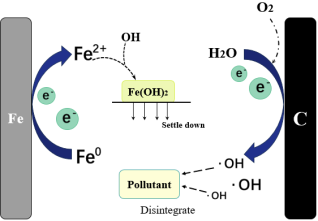



 Share This Article
 Twitter
 Linked In
 Facebook